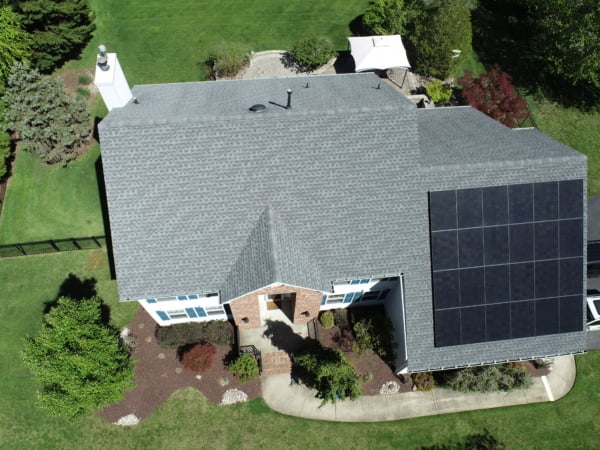
If you’re considering solar in New Jersey, you’re not alone. New Jersey remains one of the strongest solar markets in the country, with more than 200,000 solar installations completed statewide and enough solar capacity installed to power hundreds of thousands of homes.
But the solar landscape has changed significantly over the last few years.
Utility rates have continued to rise. Battery storage has become more popular than ever. The federal solar tax credit is no longer available for homeowners, while new financing options such as prepaid solar leases have emerged to help offset those changes.
So is solar still worth it in New Jersey in 2026?
For many homeowners, the answer is yes.
Let’s take a closer look at net metering, utility rates, SREC incentives, battery storage, and the economics of going solar in New Jersey today.
Net Metering Remains One of New Jersey’s Biggest Advantages
New Jersey has long been one of the most solar-friendly states in the country.
Utilities including PSE&G, JCP&L, Atlantic City Electric, Rockland Electric, and Vineland Municipal Utilities continue to offer full retail net metering. This means that when your solar system produces more electricity than your home is using, the excess energy is sent to the grid and credited back to your account.
In simple terms, your solar production is not wasted if you are not home using electricity at that moment. Excess production generated during sunny afternoons can offset the electricity you consume later at night.
Many states have reduced the value of excess solar production or moved to less favorable compensation structures. New Jersey’s continued support of net metering remains one of the biggest reasons solar performs so well financially here.
Rising Electric Rates Make Solar More Attractive Than Ever
One of the strongest arguments for solar in 2026 has nothing to do with incentives. It has everything to do with the cost of electricity.
New Jersey residents already pay some of the highest electric rates in the country. Depending on the utility and season, many homeowners are paying between $0.25 and $0.30 per kWh or more for electricity.
Over the last several years, utility rates have continued to increase due to higher energy supply costs, investments in grid infrastructure, increased demand, and inflationary pressures throughout the energy sector.
While no one can predict exactly where utility rates will go over the next 25 years, history suggests that electricity costs tend to rise over time.
When evaluating solar, it is important to compare it not only to today’s electric bill, but to the cost of buying electricity from the utility over the life of the system.
Example: A $250 Monthly Electric Bill with 4% Annual Inflation
| Year | Monthly Bill | Annual Cost |
|---|---|---|
| 1 | $250 | $3,000 |
| 5 | $292 | $3,504 |
| 10 | $355 | $4,260 |
| 15 | $432 | $5,184 |
| 20 | $526 | $6,312 |
| 25 | $640 | $7,680 |
Over 25 years, this homeowner would spend approximately $125,000 on electricity.
That is why many homeowners choose solar. The goal is not simply to reduce next month’s bill. The goal is to lock in lower energy costs and reduce exposure to future utility rate increases.
New Jersey SRECs Continue to Add Value
If you’ve researched solar before, you’ve probably heard of SRECs.
New Jersey’s original Solar Renewable Energy Certificate program helped make New Jersey one of the most successful solar markets in America. Over time, the program evolved into today’s Successor Solar Incentive (SuSI) Program.
Under the current program, homeowners earn one SREC-II credit for every 1,000 kWh of electricity their solar system produces.
These incentives are paid for 15 years and provide additional value on top of electric bill savings.
While incentive levels have gradually decreased as the market has matured, homeowners installing solar today can still lock in a known incentive value for the life of the program. Current incentive levels are expected to decline from $85 to $77 per MWh for future registrations, making 2026 an important year for homeowners considering solar.
For many homeowners, SREC payments represent thousands of dollars in additional value over the life of the system.
The Federal Tax Credit Has Changed, But Solar Pricing Has Too
One of the biggest changes between 2025 and 2026 is the elimination of the federal residential solar tax credit for many homeowners.
Historically, homeowners who purchased solar systems were eligible for a 30% federal income tax credit. This significantly reduced the effective cost of ownership and accelerated payback periods.
At first glance, removing this incentive would seem to make solar less attractive.
However, another major change has occurred at the same time.
Solar equipment pricing has fallen dramatically.
In 2025, many New Jersey homeowners paid between $3.00 and $3.50 per watt for residential solar systems.
In 2026, many projects are being installed in the range of approximately $2.30 to $2.70 per watt depending on equipment, roof complexity, system size, and installation requirements.
As equipment costs have decreased, solar has become more affordable even without the tax credit.
Combined with rising utility rates and continued SREC incentives, the economics remain compelling for many homeowners.
Why Prepaid Solar Leases Are Growing in Popularity
One of the most interesting developments in 2026 has been the growth of prepaid solar leases.
If you have not already read our detailed comparison of solar ownership, loans, leases, and prepaid leases, we recommend starting there.
Unlike a traditional solar purchase, a prepaid lease is owned by a solar finance company rather than the homeowner.
Because the finance company owns the system, they may still benefit from available commercial tax incentives and depreciation. Those savings can then be reflected in a lower upfront cost for the homeowner.
In many cases, prepaid lease pricing can be 30% or more lower than a traditional ownership structure.
Even better, homeowners can often finance the prepaid lease amount using the same solar loan products that would have been used for ownership.
Many prepaid lease programs also include a buyout option after year 6, allowing homeowners to purchase the system at its fair market value if desired.
For many New Jersey homeowners, prepaid leases have become one of the most attractive ways to go solar in 2026.
Battery Storage Is Becoming More Popular Than Ever
Battery adoption has exploded over the last several years.
As homeowners look for protection against outages, storms, and rising utility costs, battery storage has become one of the fastest-growing segments of the solar industry.
Battery systems allow homeowners to store excess solar energy and use it later when needed.
During a utility outage, batteries can automatically power critical loads within the home including:
- Refrigerators
- Freezers
- Lighting
- Internet equipment
- Well pumps
- Sump pumps
- Garage doors
- Medical equipment
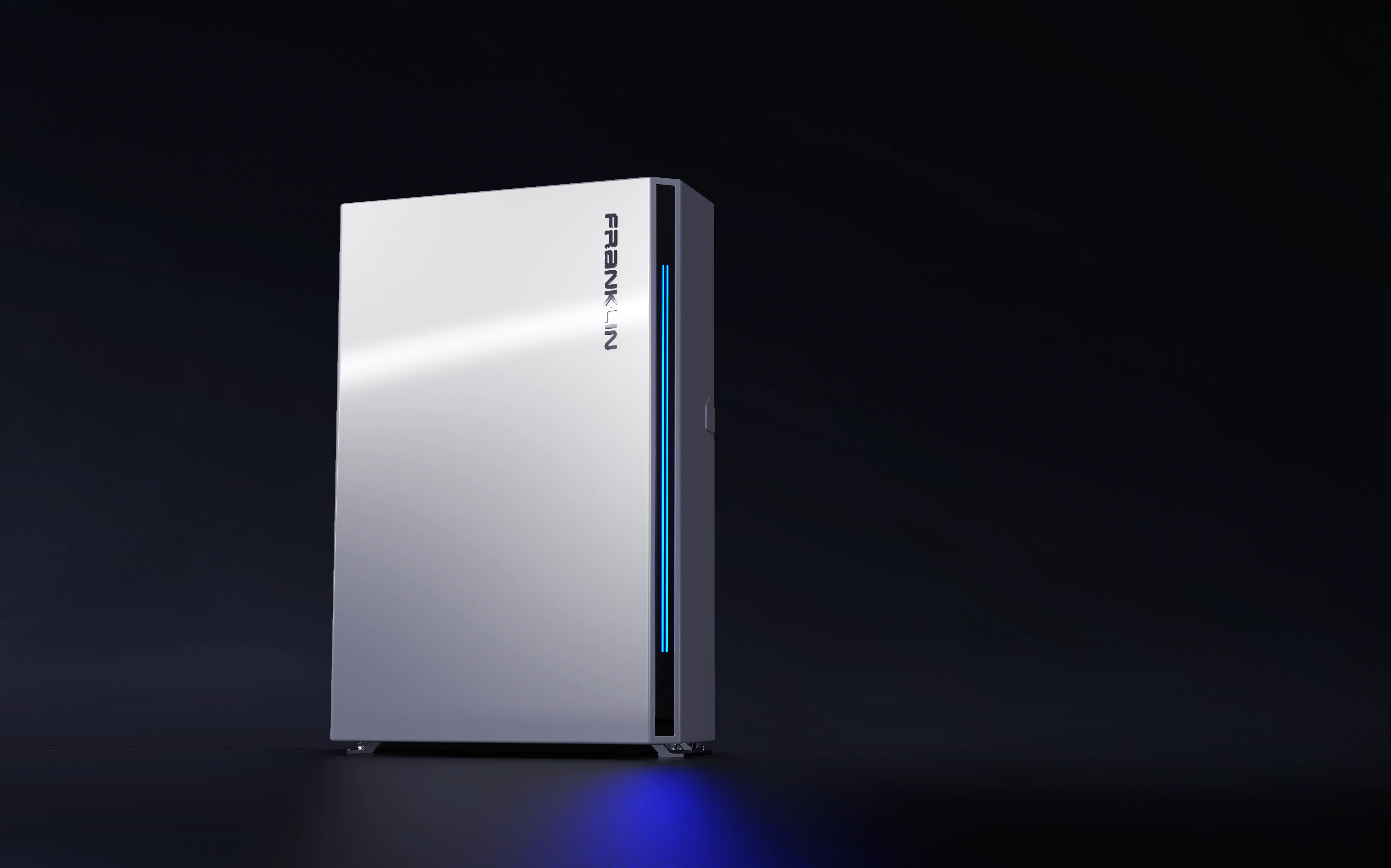
Popular battery options offered by Public Service Solar include Tesla Powerwall, FranklinWH, and Enphase battery systems.
For example, a FranklinWH battery stores 15 kWh of energy. To put that into perspective, a refrigerator may use only 1 to 2 kWh per day. A properly designed battery system can keep essential home systems operating for many hours or even days depending on usage and available solar production.
Can Batteries Save You Even More Money?
Battery technology is evolving quickly.
Some New Jersey utility programs are beginning to offer opportunities for homeowners to use battery storage strategically to reduce demand-related charges and better manage energy consumption.
In these situations, batteries can be programmed to discharge during periods of higher utility costs and recharge when electricity is less expensive or when excess solar production is available.
This can further improve overall system economics.
However, homeowners should remember that using battery energy for bill savings can reduce the amount of stored backup power available during an unexpected outage. Finding the right balance between resiliency and savings is important when designing a battery strategy.
Example Solar Economics in New Jersey
Let’s look at a real-world example.
System Assumptions
| Item | Value |
| System Size | 10 kW |
| Annual Production | 13,000 kWh |
| Price Per Watt | $2.77 |
| Gross System Cost | $27,700 |
| Prepaid Lease Cost | $19,390 |
| Utility Rate | $0.28/kWh |
| Annual Utility Savings | $3,640 |
| Annual SREC Value | $1,105 |
| First-Year Benefit | $4,745 |
Assuming:
- 4% annual utility inflation
- 0.5% annual panel degradation
- Stable SREC payments
The system reaches payback in approximately 4 years.
Estimated Cumulative Benefits
| Year | Annual Benefit | Cumulative Benefit |
| 1 | $4,745 | $4,745 |
| 2 | $4,884 | $9,629 |
| 3 | $5,028 | $14,657 |
| 4 | $5,176 | $19,833 |
| 5 | $5,329 | $25,162 |
While every home is different, this example demonstrates why many New Jersey homeowners continue to find solar financially attractive despite changes to the federal tax credit.
So, Is Solar Worth It in New Jersey in 2026?
For many homeowners, the answer is still yes.
New Jersey continues to offer some of the strongest solar economics in the country thanks to:
- Full retail net metering
- Valuable SREC incentives
- High utility rates
- Lower solar equipment costs
- Flexible financing options
- Growing battery storage solutions
While the federal tax credit may have changed, the fundamentals that make solar attractive in New Jersey remain firmly in place.
In fact, for many homeowners, rising utility costs make solar more relevant today than ever before.
If you’re paying high electric bills and plan to stay in your home for the long term, solar remains one of the most effective ways to reduce your lifetime energy costs.
Ready to see what solar could save you?
Contact Public Service Solar today for a free custom solar analysis and personalized savings estimate.