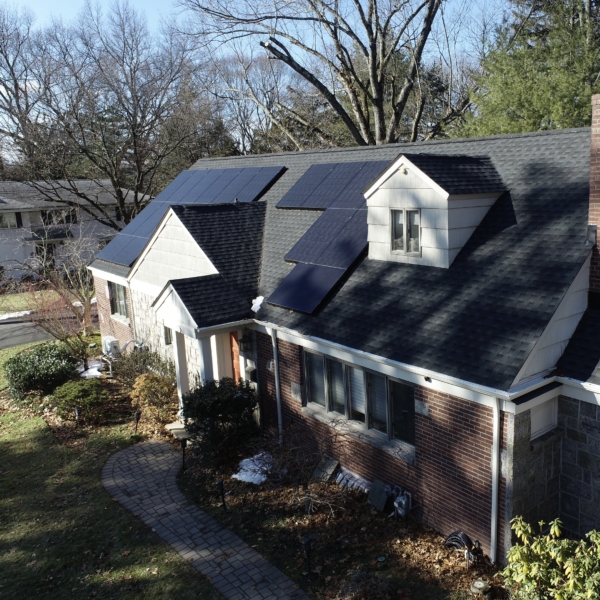
If the power goes out, what do you want to keep running? For some homeowners, it’s the refrigerator, Wi-Fi, and well pump. Others want central air, medical equipment, or a way to recharge their batteries from a standby generator during a long outage.
All three batteries can be part of a whole-home backup system. Public Service Solar offers three premium battery solutions with their own unique benefits. For example, Tesla Powerwall 3 has the highest continuous power output in kilowatts per unit of the three. FranklinWH aPower 2 stores the most energy per unit and can recharge from a compatible generator with an optional module. Enphase IQ Battery 10C is a natural option to consider if you already have Enphase solar and want to monitor solar and storage in one app.
At Public Service Solar, we compare those strengths against what you want to run, how long you want to run it, and what equipment you already have.
Home battery comparison at a glance
| Battery | Energy per unit | Continuous output per unit | Continuous output current at 240 V | Whole-home backup equipment |
|---|---|---|---|---|
| Tesla Powerwall 3 | 13.5 kWh | Up to 11.5 kW | Up to 48 A | Tesla Gateway or utility-approved Backup Switch |
| FranklinWH aPower 2 | 15 kWh | Up to 10 kW | Up to 48 A | FranklinWH aGate |
| Enphase IQ Battery 10C | 10 kWh | 7.08 kVA | 29.5 A | IQ Combiner 6C and IQ Meter Collar, where approved |
Figures are manufacturer ratings for one unit. Maximum output depends on configuration. FranklinWH’s 48 A rating is based on 11.5 kVA of apparent power, and the same configuration is rated for 10 kW of real power. See the datasheet under each battery for the full ratings and test conditions.
Can a battery back up a 200-amp panel?
Yes. A properly designed battery system can back up a home with a 200-amp panel. The panel’s rating tells you how much current the panel can handle. What you can run during an outage depends on which circuits you back up and how much power and energy the battery system can deliver.
- Whole-home backup makes backup power available to circuits across the main panel. Depending on the system size, you may need to pause a large load, such as EV charging, while the air conditioner and other appliances are running.
- Essential-load backup powers selected circuits through a dedicated backup subpanel. You might choose the fridge, Wi-Fi, sump pump, and a few lights. Keeping larger loads like the electric range and EV charger outside the backup plan can help the battery last longer.
Tesla Powerwall 3, FranklinWH aPower 2, and Enphase IQ Battery 10C all support essential-load backup. The equipment that isolates the backed-up circuits from the grid varies by system.
Once we know which circuits you want to back up, we look at three ratings to size the system:
- Continuous power (kW). This helps determine what can run at the same time. We look at the combined demand of the appliances you expect to use together during an outage.
- Current (amps). We check both how much current your equipment draws while running and how much it needs to start. A central air conditioner or well pump can draw a brief surge at startup, even when its running load fits within the battery’s continuous output.
- Stored energy (kWh). This helps determine how long your backup can last. The more energy your appliances use, the faster they’ll draw down the battery. Compatible solar can help recharge it during a daytime outage.
That’s how we determine whether one battery can cover your needs, whether adding storage would give you more runtime, or whether managing a large load would make the system a better fit.ing an outage.
Three home battery systems we install
Once you know what you want to keep running during an outage, the differences between these batteries start to matter. You might want more power to run several appliances at once, more stored energy to get through the night, or a system that can recharge from your existing standby generator.
Public Service Solar installs the Tesla Powerwall 3, FranklinWH aPower 2, and Enphase IQ Battery 10C. Below, we explain when we’d consider each one and show what our battery installations look like in real New Jersey homes.
Tesla Powerwall 3
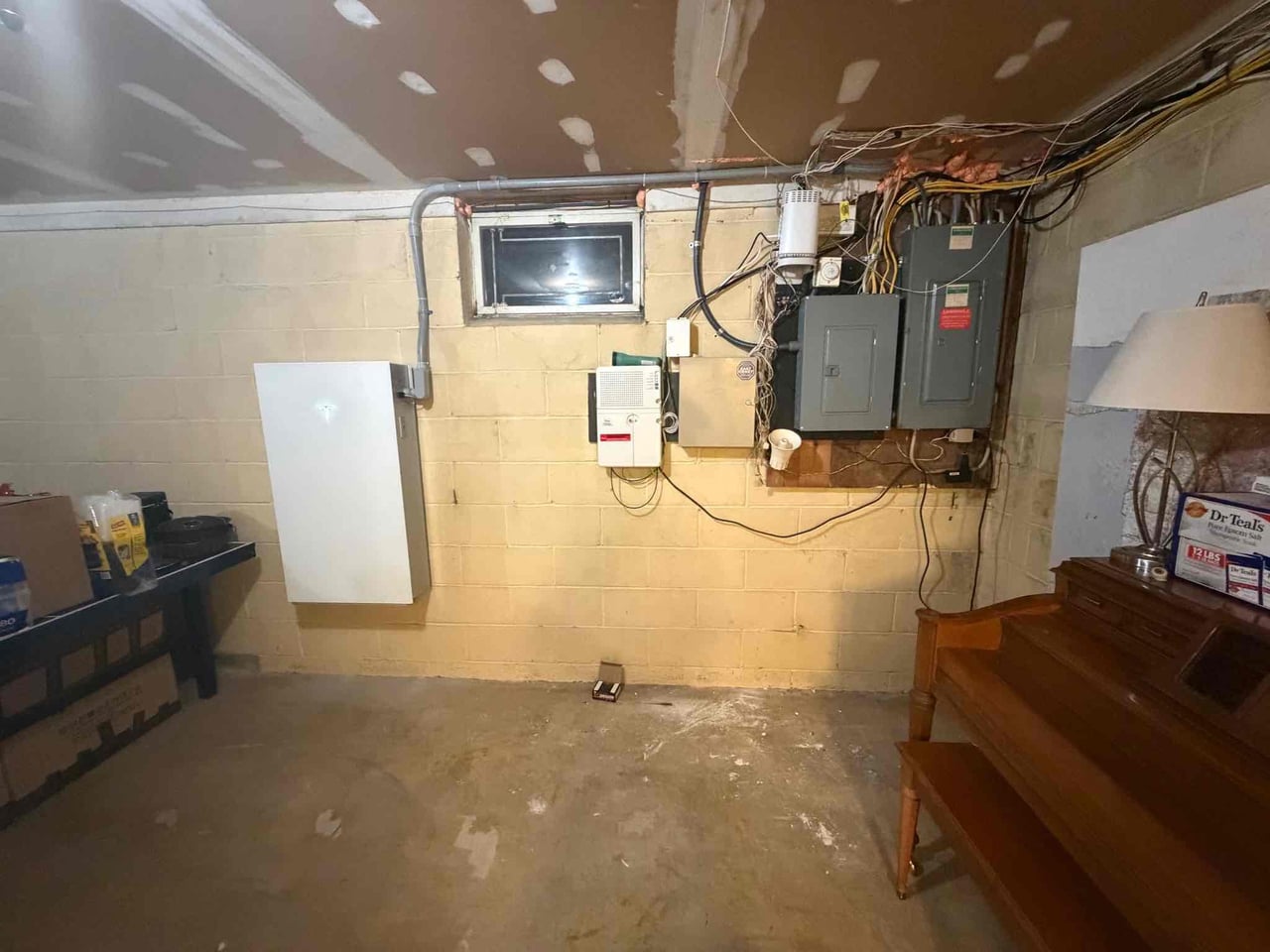
The Tesla Powerwall 3 stores 13.5 kWh and supplies up to 11.5 kW and 48 amps of continuous output per unit at 240 volts. We’d start here if you want to see how many appliances one battery can run at the same time. Tesla supports whole-home and partial-home backup configurations using a Gateway or, where the utility approves it, a Backup Switch.
If you already have a standby generator, Powerwall can coexist with it in a system designed with separate transfer equipment. The generator can supply the home, and the Powerwall does not recharge from the generator in that setup.
FranklinWH aPower 2
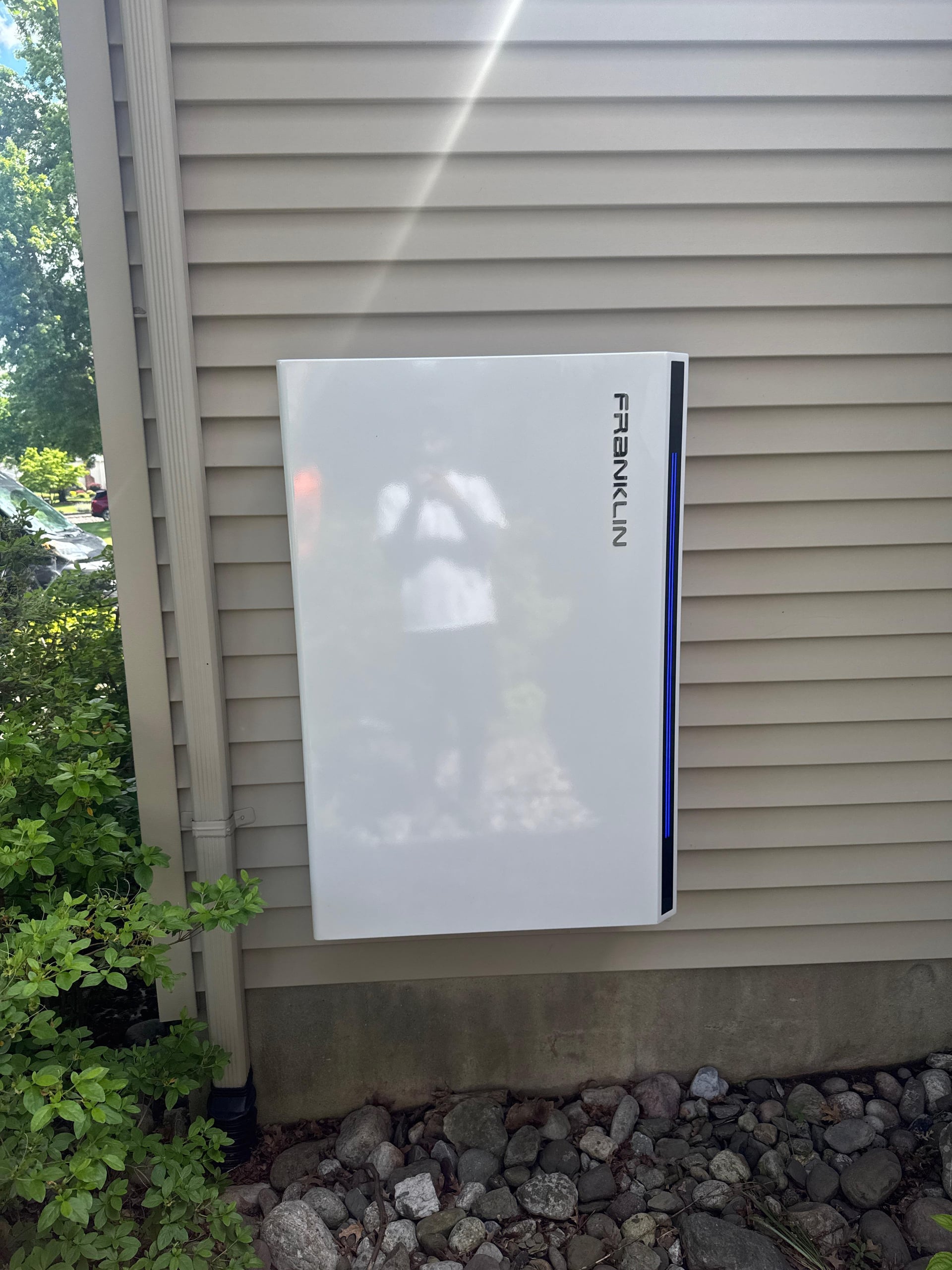
The FranklinWH aPower 2 stores 15 kWh and supplies up to 10 kW of continuous real power per unit. It works with the FranklinWH aGate, which manages how the home gets power during an outage. We’d put it high on the list if you want more stored energy from one battery or want to build your backup plan around a compatible generator.
Can a generator recharge the FranklinWH aPower 2?
Yes. The optional FranklinWH Generator Module goes in the aGate. During an outage, a compatible generator can power the backed-up circuits and use its remaining output to recharge the battery.
With a compatible automatic-start setup, the system can start the generator when the battery drops to a set charge level. It can shut the generator down once the battery reaches its configured upper limit, and the battery can take over again. That’s an option worth considering if outages tend to last into a second night and you want the generator to run in stretches. If you already have a generator, we’ll check its make, model, and transfer switch setup before including the module in your proposal.
View FranklinWH generator documentation (PDF)
Enphase IQ Battery 10C
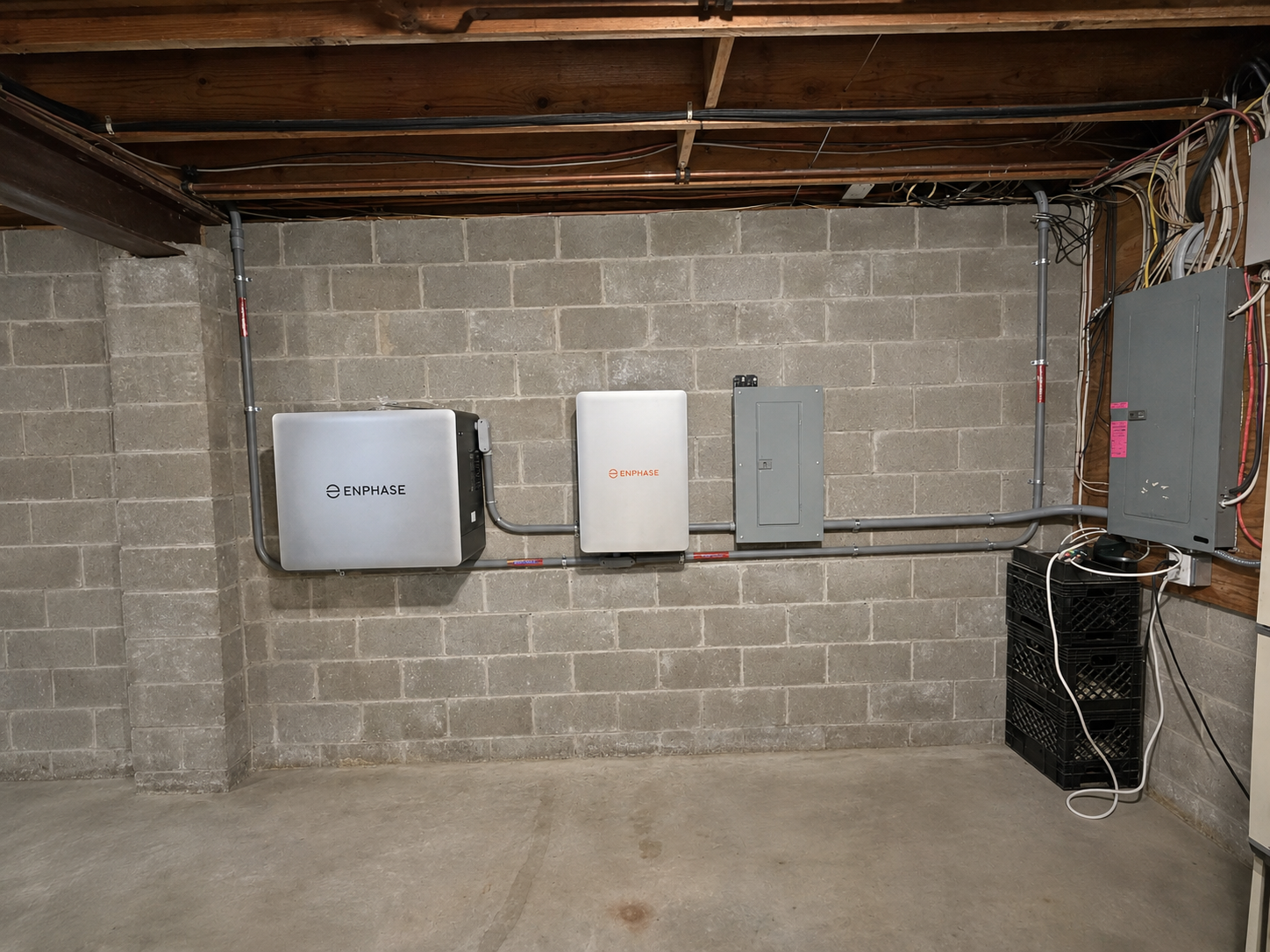
The Enphase IQ Battery 10C stores 10 kWh and provides 7.08 kVA and 29.5 amps of continuous output per unit at 240 volts. It’s a natural option to evaluate if you already have Enphase solar and want to see solar production and battery storage in the same app. Enphase also supports adding the 10C to some existing third-party solar systems, so we review your equipment before recommending a retrofit.
The 10C can provide whole-home backup with the IQ Combiner 6C and IQ Meter Collar where the utility approves the collar. One unit may cover a home with modest outage loads. If you want to run several large appliances, we’ll look at adding battery capacity or managing when those loads run. The IQ Combiner 6C does not support generator integration.
How we decide whether one battery is enough
Say you already have solar, a 200-amp panel, and a standby generator. You want the fridge, Wi-Fi, sump pump, and central air available during an outage. Here’s what we’d check before recommending a system:
- Can the battery start the equipment you need? We’d check the air conditioner and sump pump’s startup demand and whether they might start at the same time.
- Can your solar recharge the battery while the grid is down? We’d review your existing inverter and how the solar would connect to the backup system. That matters if you’re counting on daytime solar to refill the battery for the next night.
- What do you want the generator to do? If you want it to supply the house and recharge the battery, we’d check whether it can work with the FranklinWH Generator Module.
- What would a second battery change? If you want longer overnight runtime, we’d look at adding storage. If you want to start or run more equipment at once, we’d check whether the proposed configuration also adds output.
If you’re comparing quotes, ask which circuits are backed up, which appliances can run together, and what can recharge the battery while the grid is down. Those answers tell you what each proposal would deliver in your home.
Find the right backup system for your home
Public Service Solar designs and installs battery backup for homeowners adding storage to existing solar, planning a new solar-plus-storage system, or installing standalone backup. Bring a list of what you want to keep running and, if you have them handy, the models of your solar inverter and standby generator. We’ll help you compare whole-home and essential-load backup and explain what’s included in the installed price.
What do you want to keep running?
Tell us what you want powered during an outage. We’ll help you compare batteries and size a backup system for your home.
Book a Battery Consultation