One of the first questions homeowners ask when considering solar is:
“How many solar panels do I actually need?”
The answer depends on much more than the size of your house.
The number of solar panels needed is primarily determined by how much electricity your home uses over an entire year, not simply by how many square feet your home has. Other important factors include your utility company, available roof space, roof direction, roof pitch, shading from trees or nearby buildings, and even future plans such as purchasing an electric vehicle or installing a swimming pool.
The good news is that modern solar panels are incredibly powerful. Premium modules like the REC Alpha Pure-RX 460W allow many homeowners to offset nearly all of their annual electric usage using fewer panels than ever before.
In this guide, we’ll explain exactly how solar companies determine the right system size, show you how to estimate your home’s needs, and provide a free calculator that estimates:
- Your annual electricity usage
- Recommended solar system size
- Estimated panel count
- Roof space required
- Estimated annual production
- Estimated SREC value (for NJ & PA homeowners)
Whether you live in New Jersey, Pennsylvania, or Florida, this guide will help you understand what to expect.
Quick Answer
For most homeowners, the answer is between 18 and 30 solar panels, but the exact number depends on your annual electricity consumption.
A home using around 12,000 kWh per year, which is common for many households typically requires a solar system around 10 kW in size.
Using today’s high-efficiency solar panels, that equates to approximately 22 panels.
Of course, every home is different. A smaller home with low energy usage may only need 12 to 16 panels, while a larger home with electric heating, multiple air conditioners, or one or more electric vehicles may require 30 panels or more.
Rather than guessing, professional solar installers begin by reviewing your electric usage history to accurately size the system for your specific home.
| Annual Usage | Approximate Panels |
|---|---|
| 8,000 kWh | 15 |
| 10,000 kWh | 18 |
| 12,000 kWh | 22 |
| 15,000 kWh | 27 |
Check Your Annual Electricity Usage
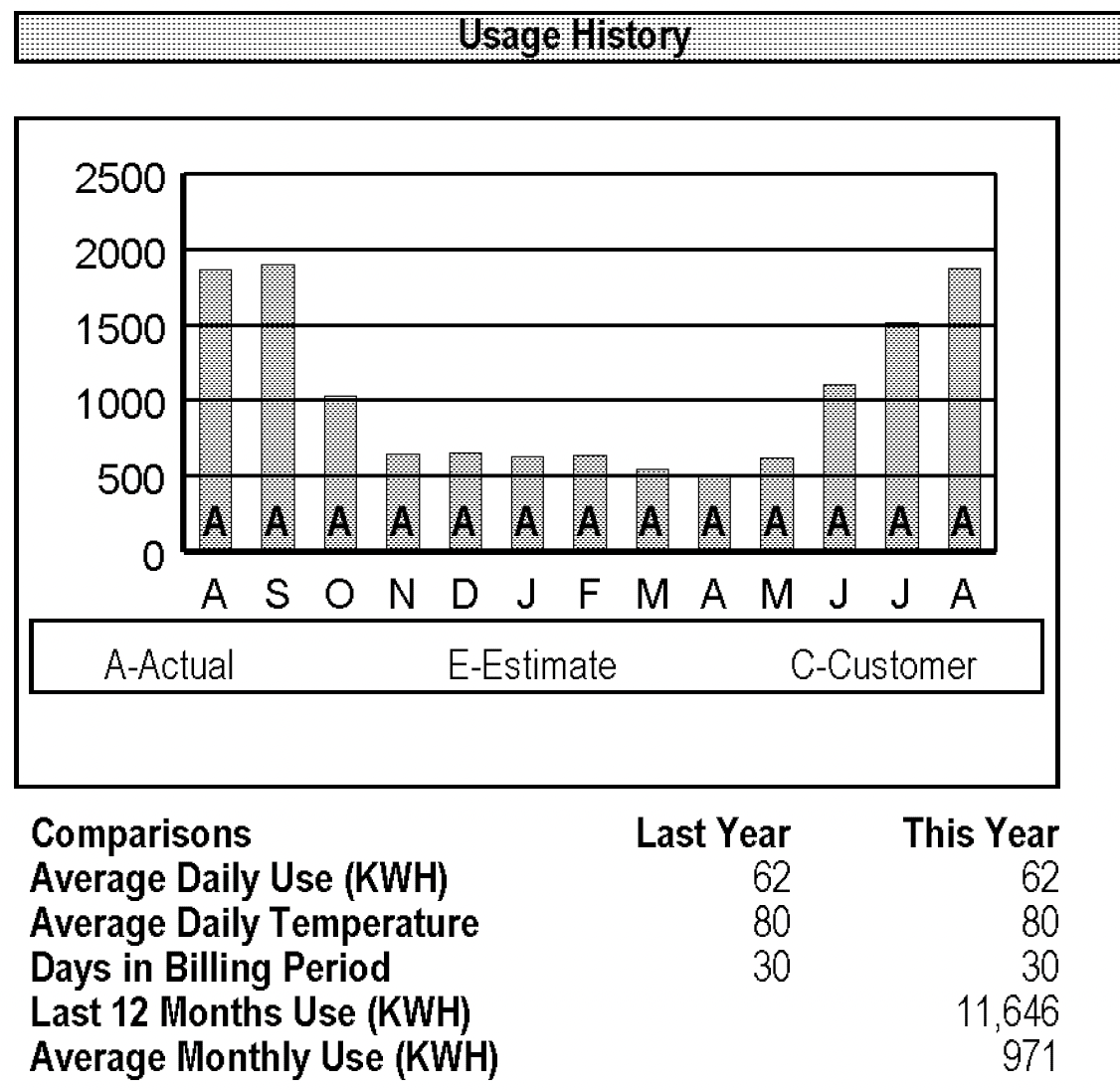
One of the biggest misconceptions homeowners have is believing solar systems are designed around the size of the house.
In reality, solar systems are designed around electricity consumption.
A 1,500-square-foot home with electric heat and two electric vehicles may use significantly more electricity than a 3,500-square-foot home heated with natural gas.
That’s why one of the very first things a solar company asks for is a recent electric bill.
On almost every utility bill you’ll find either:
- Your previous 12 months of electricity usage (displayed as a bar graph)
- Your annual kilowatt-hour (kWh) usage
- Or enough monthly usage data to calculate your yearly total
That annual usage becomes the foundation for designing your solar system.
Most homeowners are surprised to learn that solar systems are typically designed to produce approximately the same amount of electricity your home uses over a full year rather than trying to match your electricity use every day.
That’s possible because of net metering, which we’ll discuss in the next section.
Why Net Metering Makes Solar So Effective

One of the reasons solar works so well for homeowners is something called net metering.
Many people assume that the electricity their solar panels produce has to be used immediately inside the home. In reality, that’s not how residential solar works.
During the middle of the day, when the sun is shining the brightest, your solar panels often produce more electricity than your home is using. Rather than letting that energy go to waste, it is sent back to your local electric grid.
With 1-to-1 net metering, your utility gives you a credit for that electricity. Later, when the sun goes down or your home needs more power than your solar panels are producing, those credits are used to offset the electricity you take back from the grid.
Think of the electric grid as a giant battery.
Instead of storing your excess electricity in a battery at your home, your utility keeps track of how much electricity you contribute and credits your account accordingly.
Because of this, solar systems are generally designed to produce approximately the same amount of electricity your home uses over an entire year, rather than matching your usage hour by hour or month by month.
For example, your home may produce much more electricity than it needs during sunny spring afternoons but use more electricity than it produces during winter evenings. Thanks to net metering, those seasonal differences largely balance out over the course of a year.
How We Calculate How Many Solar Panels You Need
How We Calculate the Right Number of Solar Panels
Solar design starts with your annual electricity usage, then works backward to determine the system size, panel count, and roof space needed.
Annual Usage
We review your electric bill to determine how many kilowatt-hours your home uses in a typical year.
Target Production
With net metering, systems are usually designed to offset your annual usage, not just one month.
Production Factor
In NJ and PA, a well-positioned system often produces about 1,200 kWh per installed kW each year.
System Size
12,000 kWh ÷ 1,200
≈ 10 kW system
Panel Count
10,000 watts ÷ 460W
≈ 22 REC panels
Ready to Estimate Your Home?
Every home is unique, but you can get a surprisingly accurate estimate in under a minute. Enter your state, utility company, monthly electric bill, and any future electrical upgrades to see your estimated system size, REC 460W panel count, annual solar production, and—in New Jersey and Pennsylvania—your estimated 15-year SREC value.
Now that you’ve seen how solar professionals size a system, try the calculator below to estimate your own home.
Estimate How Many Solar Panels You Need
Enter your average monthly electric bill to estimate your annual usage, system size, REC 460W panel count, and approximate panel footprint.
Planning Future Electric Usage?
Select any items you may add soon. These estimates are added to your annual usage.
This calculator uses estimated blended utility rates and assumes approximately 1,200 kWh of annual production per kW installed. The panel footprint is based on the physical panel area only. Actual usable roof space requirements may be larger due to fire setbacks, vents, chimneys, skylights, roof layout, shading, and local code requirements.
Get My Free Solar DesignHow Much Roof Space Do Solar Panels Need?
This is probably the second most common question homeowners ask. Fortunately, today’s solar panels are far more powerful than they were even a decade ago.
Public Service Solar primarily installs REC Alpha Pure-RX 460-watt solar panels, one of the highest-performing residential solar modules available.
Each REC Alpha Pure-RX 460W panel has a physical area of approximately 22 square feet. However, actual roof space requirements are often larger because installers must account for fire setbacks, vents, chimneys, valleys, skylights, and required access pathways.
Keep in mind that this represents the physical size of the solar panels themselves.
Actual roof requirements may be larger due to:
- Fire setbacks
- Roof ridges
- Valleys
- Vents
- Skylights
- Chimneys
- Walkways required by building code
Fortunately, most homes have enough suitable roof area to accommodate a system that offsets most or all of their annual electricity usage.
What Does That Many Solar Panels Look Like?
Select a panel count to see a visual estimate of how much roof space different REC 460W solar systems may require.
Estimates assume REC 460W solar panels at approximately 22.4 square feet per panel. Actual layout depends on roof shape, setbacks, vents, dormers, skylights, shade, and local code requirements.
What Affects the Number of Solar Panels?
Although two homes may look similar from the street, they can require very different solar systems. The number of solar panels needed isn't based on the size of your house—it's based on how much electricity you use and how efficiently your roof can produce solar energy.
Here are the biggest factors our design team evaluates when sizing a system.
What Affects the Number of Solar Panels?
No two homes are exactly alike. While annual electricity usage is the biggest factor, our designers evaluate several other variables before recommending the right system size. Here's what can change the number of panels your home needs.
Annual Electricity Usage
The more electricity your home uses throughout the year, the larger your solar system will typically need to be. This is the single biggest factor when determining panel count.
Roof Direction
South-facing roofs generally produce the most electricity, while east and west-facing roofs still perform very well. North-facing roofs may require additional panels.
Tree Shade
Nearby trees and shading can reduce production. We use professional design software and aerial imagery to evaluate shading before every installation.
Solar Panel Efficiency
This calculator assumes premium REC Alpha Pure-RX 460W modules. Lower-wattage panels require more panels to produce the same amount of electricity.
Future Electric Usage
Planning for an EV, heat pump, pool, hot tub, or home addition? It often makes sense to size your system today instead of expanding it later.
Location
Solar production varies by region. A 10 kW system in Florida will generally produce more electricity each year than the same system in New Jersey or Pennsylvania.
Desired Solar Offset
Some homeowners want to offset 100% of their electric usage while others prefer 75% or 50%. Your desired offset directly affects the recommended system size.
Roof Layout
Chimneys, skylights, plumbing vents, dormers, hips, valleys, and required fire setbacks all reduce usable roof space and influence the final panel layout.
💡 Every Home Is Different
Two neighboring homes with identical square footage may require completely different solar systems. That's why every Public Service Solar project includes a custom design based on your actual roof, electric usage, and future energy goals—not just the size of your house.
Frequently Asked Questions
Get answers to the most common questions homeowners ask about system size, roof space, electric usage, and solar panel count.
How many solar panels does the average house need?
Most homes need approximately 15 to 30 solar panels, but the exact number depends on annual electricity usage, panel wattage, roof direction, shading, geographic location, and the homeowner’s desired solar offset.
A home using around 12,000 kWh per year may need approximately 22 REC Alpha Pure-RX 460W panels, assuming typical production conditions in New Jersey or Pennsylvania.
How many solar panels do I need for a $200 electric bill?
The answer depends on your utility company and the average price you pay per kilowatt-hour. A $200 monthly bill may represent roughly 9,000 to 11,000 kWh of annual usage in many utility territories.
That could require approximately 18 to 21 REC 460W panels. Use the calculator above for an estimate based on your utility company and monthly bill.
How many solar panels do I need for a 2,000-square-foot house?
House size alone does not determine how many solar panels you need. Solar systems are primarily designed around your home’s annual electricity usage.
Two 2,000-square-foot homes may have very different energy needs depending on heating type, air conditioning, appliances, pools, electric vehicles, insulation, and the number of people living in the home.
Do I need a full 12 months of electric usage?
A full 12 months of usage is ideal because it accounts for seasonal changes in heating, cooling, and household activity. However, it is still possible to estimate your needs when less history is available.
Public Service Solar can review the usage you do have, identify trends, and help complete a load calculation based on appliances, heating and cooling equipment, electric vehicles, pools, and other expected electrical loads.
What if I just moved into the home?
If you recently moved and do not have a full year of electric bills, the system can still be sized using available usage history and a detailed household load calculation.
The estimate may consider the home’s appliances, electric heating, air conditioning, water heating, electric vehicles, pool equipment, hot tubs, and other expected usage.
What happens if I buy an electric vehicle after installing solar?
An electric vehicle can add several thousand kilowatt-hours of electricity usage each year, depending on the vehicle’s efficiency and how many miles you drive.
If an EV purchase is planned soon, it may be possible to include that expected usage in the original system design. Utility rules may require documentation showing that the additional load is expected.
Can I install more solar panels than I currently need?
Possibly, but utility interconnection and net-metering rules often limit how much a residential system can be oversized compared with the home’s existing or reasonably expected electricity usage.
Additional panels may be justified when you are adding an electric vehicle, heat pump, pool, home addition, electric water heater, or another significant new electrical load.
Do I need a south-facing roof for solar?
No. South-facing roof areas generally produce the most electricity in the northern hemisphere, but east- and west-facing roof planes can still perform very well.
The actual production depends on roof pitch, shading, local weather, panel placement, and the design of the complete system.
What if my roof is shaded?
Some shading does not automatically prevent a home from being a good solar candidate. However, heavy or persistent shade can significantly reduce production.
Public Service Solar uses professional design software, aerial imagery, and LiDAR data to model trees and nearby obstructions before recommending a final layout. Tree work may be recommended when shading would materially reduce the system’s performance.
Will the solar panels fit on my roof?
Many homes have enough usable roof space to offset most or all of their annual electricity usage. However, usable space may be reduced by chimneys, vents, skylights, dormers, hips, valleys, setbacks, walkways, and shaded roof areas.
Public Service Solar creates a custom roof layout before finalizing the system design so you can see exactly where the panels are expected to fit.
What if my roof cannot fit enough panels?
A solar system does not have to offset 100% of your usage to provide value. A smaller system can still reduce electricity costs and protect part of your household usage from future utility rate increases.
Homeowners with suitable property may also consider a ground-mounted system, which can sometimes be positioned at a more favorable direction and angle.
How accurate is the solar panel calculator?
The calculator provides a useful preliminary estimate using average utility rates, a default production factor, and REC 460W solar panels.
A professional design is more accurate because it accounts for your exact electricity usage, roof orientation, roof pitch, shading, weather data, utility requirements, setbacks, and usable roof area.
What is the next step after estimating my panel count?
The next step is a free solar consultation and custom design. Public Service Solar can review your electric usage, model your roof, estimate system production, explain available incentives and financing options, and determine the best system size for your home.
Ready to Find Out How Many Solar Panels Your Home Needs
Every home is different.
While this guide and calculator provide a great starting point, the most accurate way to determine the ideal solar system for your home is with a professional solar design.
At Public Service Solar, our team creates custom solar layouts using professional design software, satellite imagery, and your actual electric usage to recommend the system that's right for your home. We'll also explain your financing options, estimate your energy savings, review available incentives, and answer any questions you may have—without any pressure or obligation.
Whether you're just starting your research or you're ready to move forward, we're here to help you make an informed decision.