
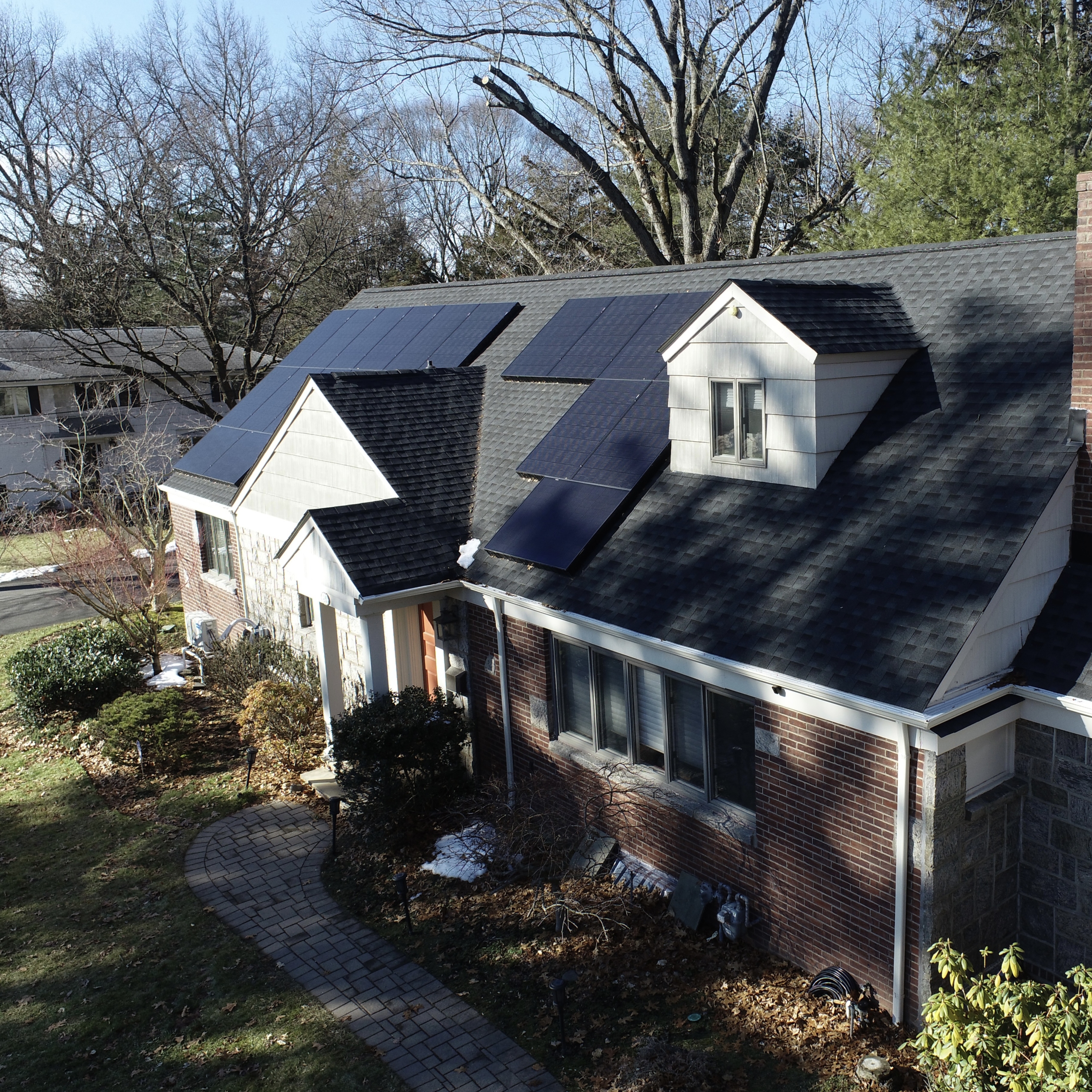
If you’ve been researching solar recently, you may have noticed that solar leases and solar PPAs are making a comeback.
For years, solar loans were the go-to option for homeowners. But today, more and more people are taking a serious look at PPAs again. And not because of hype or gimmicks, the economics of residential solar have changed, and in many cases, a PPA now delivers better monthly savings than a loan.
Let’s break down what a solar PPA actually is, how it works, and how to know if it’s the right fit for your home.
What Is a Solar PPA?
A solar PPA, or Power Purchase Agreement, is a type of solar arrangement where you don’t buy the solar system itself.
Instead:
- A solar financing company owns the system on your roof
- You agree to buy the electricity it produces
- You pay a fixed price per kilowatt-hour, usually much lower than your utility rate
Rather than owning equipment, you’re locking in a long-term electricity price typically for 25 years hedging against rate yourself from rising utility costs.
At first, not owning the system can feel counterintuitive. But in today’s market, it’s often the reason PPAs work so well.
Why Solar PPAs Are More Popular Right Now
In markets like New Jersey, Pennsylvania, and Florida where utility rates have risen steadily — solar PPAs are often delivering immediate savings without upfront costs.
At the end of 2025, the federal solar tax credit was eliminated for residential homeowners, while it remained available to businesses.
With a solar PPA, the system is owned by a business — not the homeowner.
That allows the system owner to take advantage of incentives that homeowners no longer receive, which significantly lowers their overall cost. Because their cost is lower, they can offer electricity at a lower price than most utilities.
That shift alone has made PPAs far more competitive than they were just a few years ago.
Buyout Options (Without the Fine Print Headache)
Most modern solar PPAs include a buyout option later in the agreement, often after the first several years. What they don’t tell you is that normally aligns with the time in which it takes for them to receive all the MACRS depreciation benefits. In other words, they have gotten all the tax value they are going to get out of the system. And at that point you will have the option to buy the system.
If you choose to buy the system at that point, the price is typically based on fair market value, determined by a third-party assessor. There’s no obligation to buy, it’s simply an option available to you.
For many homeowners, the buyout is less important than the day-one savings, but it’s helpful to know there’s flexibility down the road.
Why Solar Leases Got a Bad Reputation
Solar leases and PPAs have been around for a long time. You may remember them being advertised as “free solar,” especially through door-to-door sales.
That approach caused problems.
Homeowners were sometimes rushed into agreements without fully understanding the terms, and in some cases, poor installation quality or confusing contract language led to bad experiences. The issue wasn’t the PPA itself rather it was how it was sold and installed.
Two problem areas came up most often: Escalators that weren’t clearly explained and production estimates that didn’t line up with real-world results
When PPAs are designed properly and explained clearly, those issues disappear.
Understanding Escalators (and Why They Aren’t Always Bad)
An escalator is simply the annual increase in your solar electricity rate.
Some PPAs offer 0%, .99%, 1.99%, or 2.99% escalators.
A 0% escalator is ideal when available at a low rate, but even escalators can make sense depending on the starting rate. Utility companies typically increase rates by around 2.5–3% per year, and sometimes more.
What matters is how the solar option compares to your projected utility costs over time, not just whether an escalator exists.
How a Solar PPA Payment Works
With a PPA, your payment is based on energy production, not a fixed loan amount related to the system cost.
Your agreement includes:
- An estimated first-year production amount
- A fixed price per kilowatt-hour
- A small annual adjustment for normal panel degradation
Because your payment is calculated by multiplying production by your agreed rate, your total annual cost typically trends downward over time, even though your price per kilowatt-hour stays the same.
A Simple Cost Comparison
Let’s look at an example.
Assume:
- 15,000 kWh of annual solar production
- A fixed PPA rate of $0.10 per kWh
- A utility rate of $0.25 per kWh, increasing 2.99% annually
In year one, the solar cost would be about $1,500. The same energy from the utility would cost about $3,750.
As utility rates rise each year, that gap continues to widen often resulting in tens of thousands of dollars in savings over the life of the agreement.
Guaranteed Production = Real Peace of Mind
One of the biggest advantages of a solar PPA is guaranteed production.
If your agreement guarantees 15,000 kWh and the system only produces 10,000 kWh, you are credited for the missing 5,000 kWh at your agreed solar rate at your contracted solar rate.
In other words, the performance risk stays with the system owner and not you.
Extra Protection with Public Service Solar
At Public Service Solar, we go beyond the financing.
Every installation includes critter guards and wire protection to help prevent damage from animals and pests which is something that’s often an expensive add-on elsewhere.
It’s one more layer of protection designed for long-term reliability.
Is a Solar PPA Right for Your Home?
A solar PPA may be a great option if you:
- Want little to no upfront cost
- Prefer predictable energy pricing
- Don’t want maintenance responsibility
- Missed out on the residential tax credit
- Want guaranteed system performance
In today’s market, PPAs are often delivering better monthly savings than solar loans, especially as utility rates continue to rise.
Solar PPAs aren’t new, but right now, they’re stronger than they’ve been in years.
If you’re deciding between a PPA and a loan, a side-by-side comparison usually makes the answer obvious.
Solar PPAs are currently available to qualified homeowners in New Jersey, Pennsylvania, and Florida. Availability and pricing vary based on utility territory, roof orientation, and energy usage.
Contact Public Service Solar today for pricing and a preliminary design to get you started!


